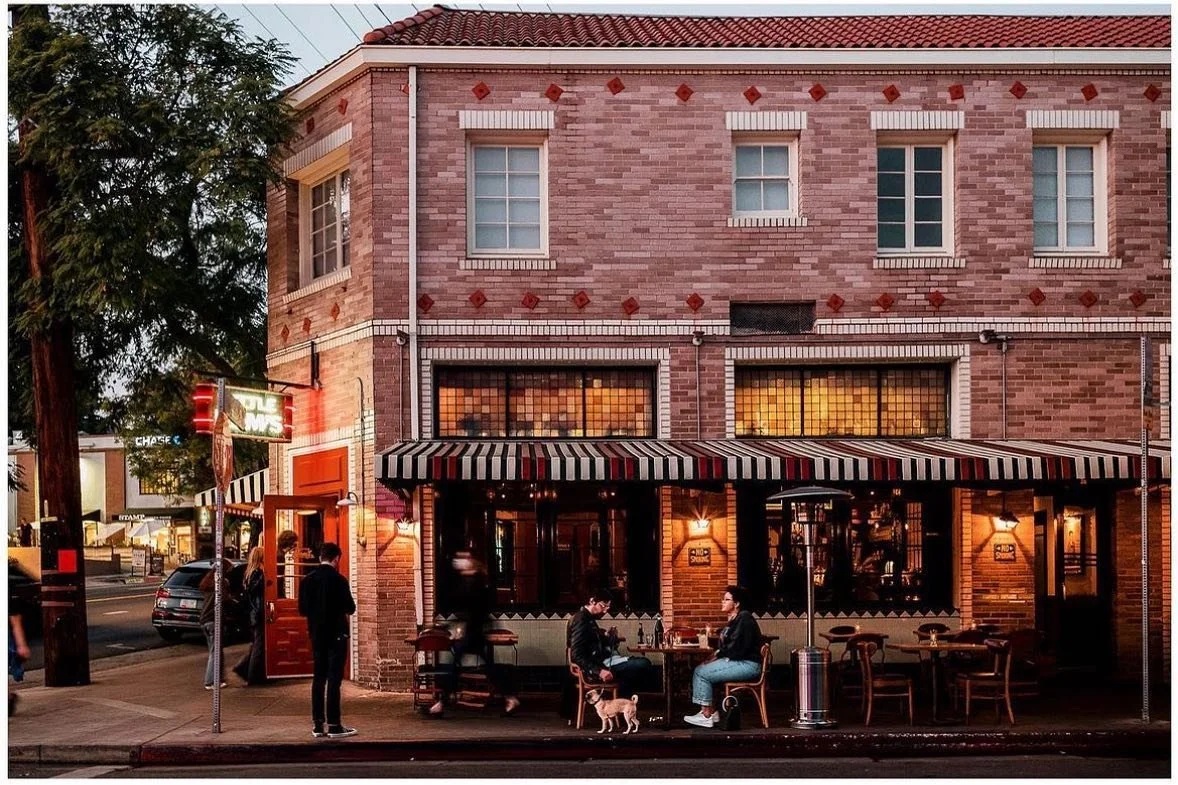
Los Feliz
Los Feliz is one of Los Angeles’ most established residential neighborhoods — known for its historic architecture, proximity to nature, and a pace of life that feels grounded rather than transient. Tucked between Griffith Park and Hollywood, it offers a rare balance of quiet streets, cultural landmarks, and everyday walkability.
ABOUT
Characterized by Spanish Revival courtyard buildings, early-20th-century apartments, and hillside homes with long sightlines, Los Feliz has retained much of its original architectural integrity. It’s a neighborhood where people tend to stay — drawn by the tree-lined streets, access to green space, and a sense of continuity that’s increasingly hard to find in Los Angeles.
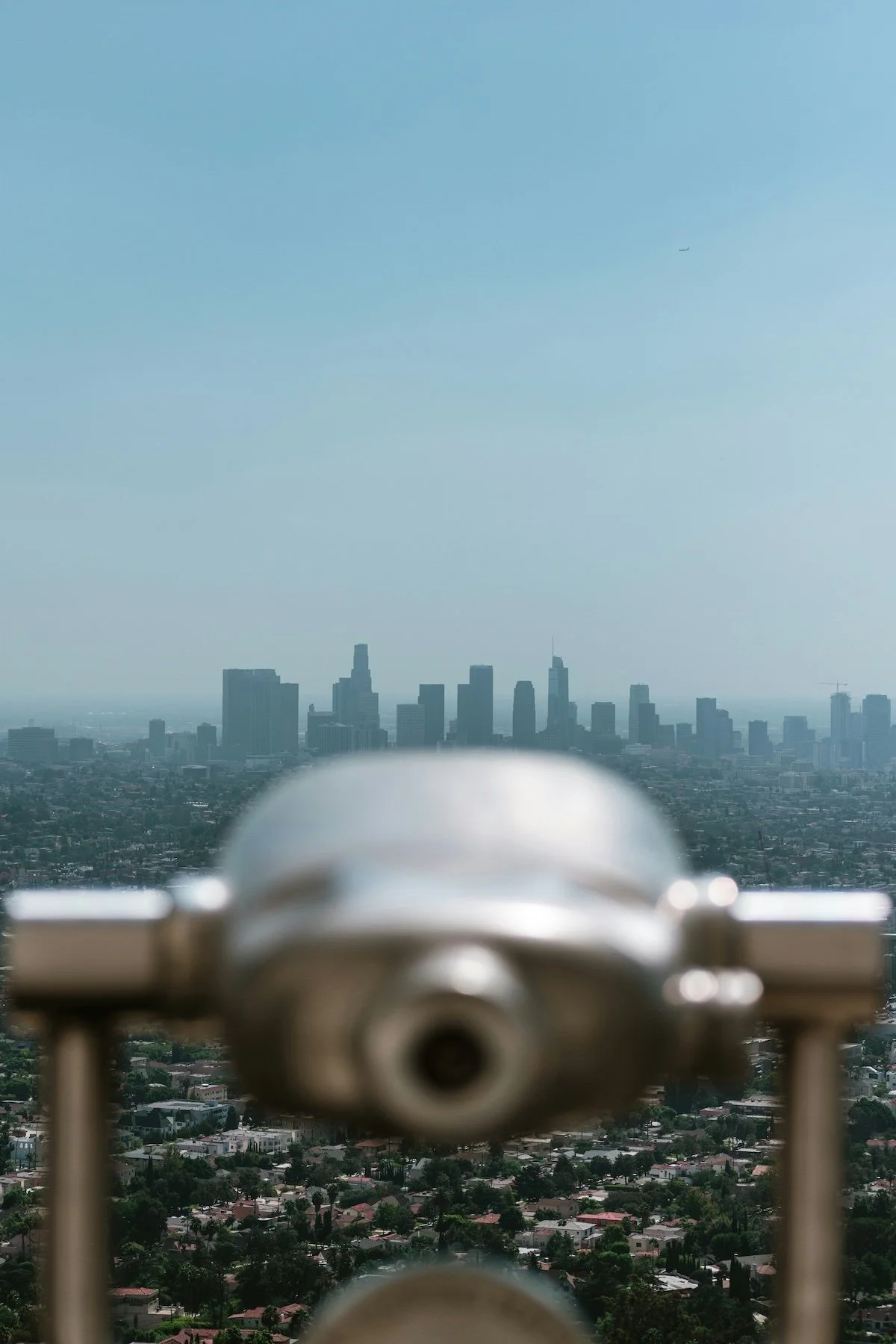
Living in Los Feliz means being close to the city’s creative energy without being consumed by it. Mornings often start with a walk through Griffith Park, afternoons unfold along Hillhurst or Vermont, and evenings feel residential, calm, and distinctly local.
Los Feliz appeals to residents who value stability, design, and access to nature. It attracts creatives, professionals, and long-term Angelenos who want a neighborhood that feels lived-in rather than trendy.
Unlike faster-moving areas of the city, Los Feliz has an established rhythm. Streets are quiet, buildings are thoughtfully scaled, and the neighborhood prioritizes livability over spectacle. Its proximity to Griffith Park provides daily access to trails, open space, and views — while the village corridors offer cafés, bookstores, and restaurants that feel woven into daily routines rather than destination-driven.
Landmarks, Culture & Everyday Rituals in Los Feliz
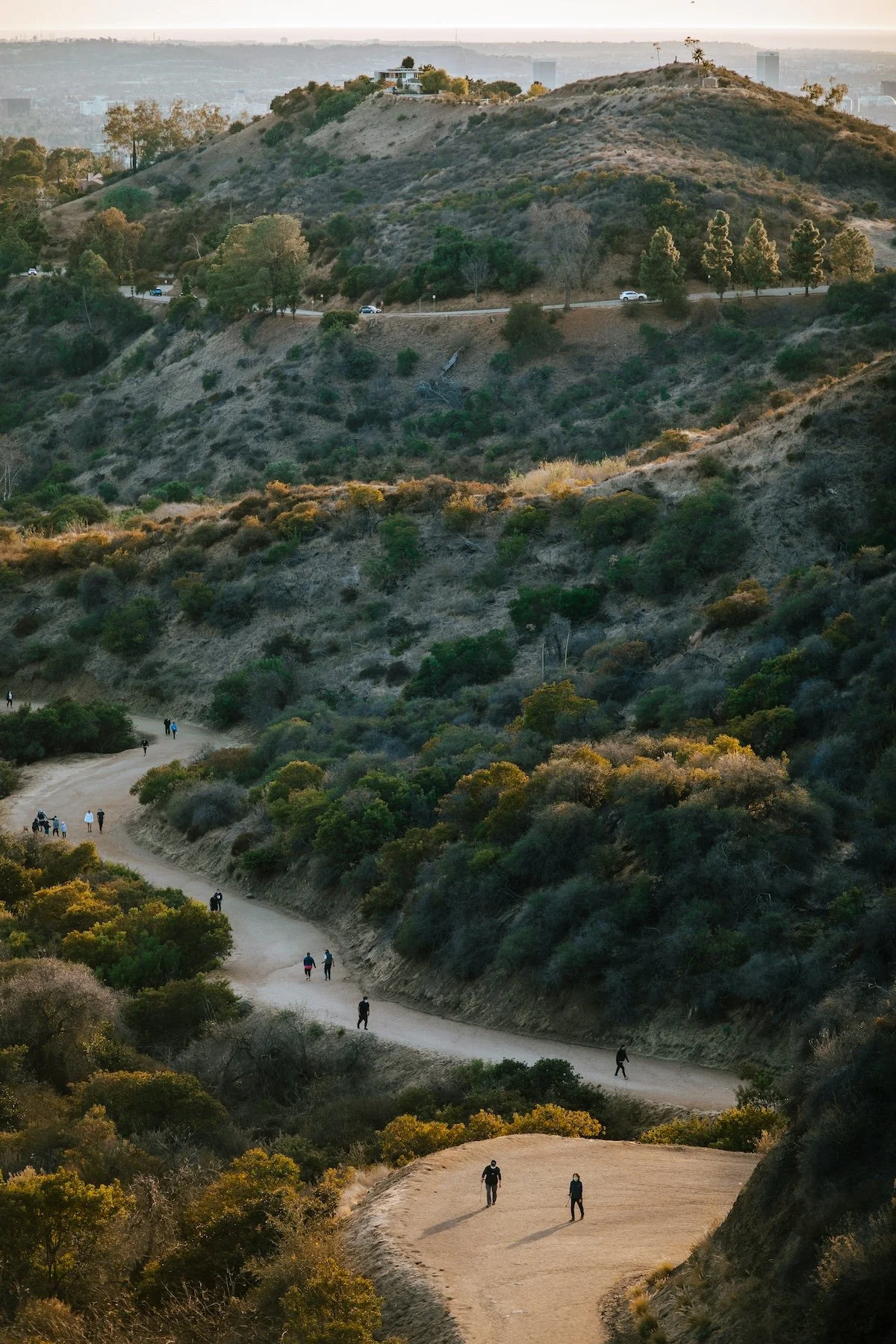
Los Feliz is shaped as much by its cultural landmarks as by the everyday rituals that unfold around them. The neighborhood’s identity is rooted in historic institutions, creative spaces, and long-standing local businesses that have remained relevant across generations.
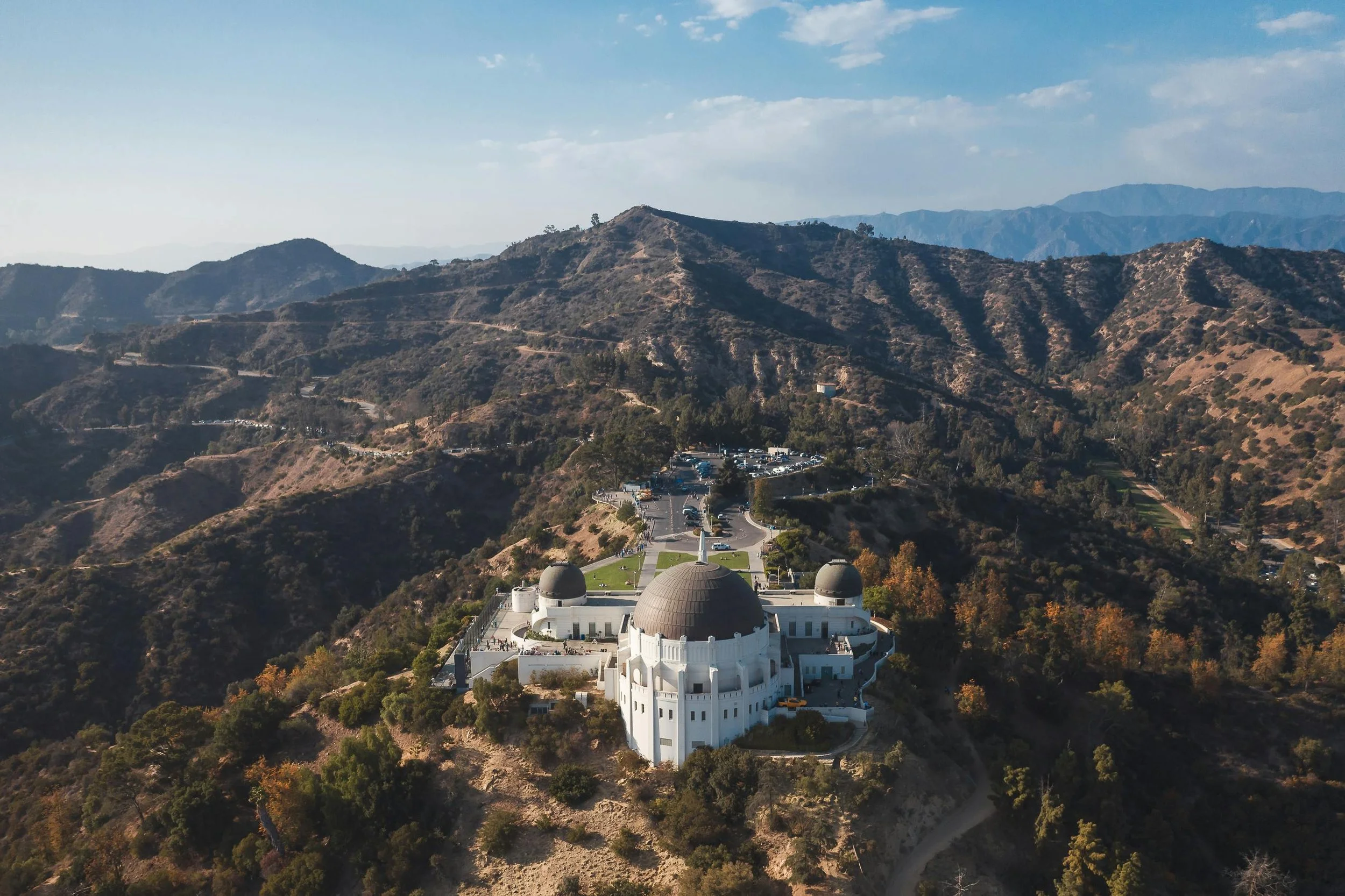
At the edge of the neighborhood, Griffith Park functions as both a geographic and cultural anchor. With miles of trails, open hillsides, and panoramic views, the park is an extension of daily life in Los Feliz — not a destination reserved for weekends. Rising above it, Griffith Observatory remains one of Los Angeles’ most recognizable landmarks, visible from much of the neighborhood and deeply tied to the city’s history, science, and cinematic mythology.
Los Feliz also holds an important place in Los Angeles’ creative history. Walt Disney lived and worked in the area during the early years of his career, and nearby Griffith Park famously inspired elements of Disneyland’s original concept. That legacy still lingers — not as a tourist attraction, but as part of the neighborhood’s long-standing relationship with storytelling, imagination, and the arts.
THINGS TO DO
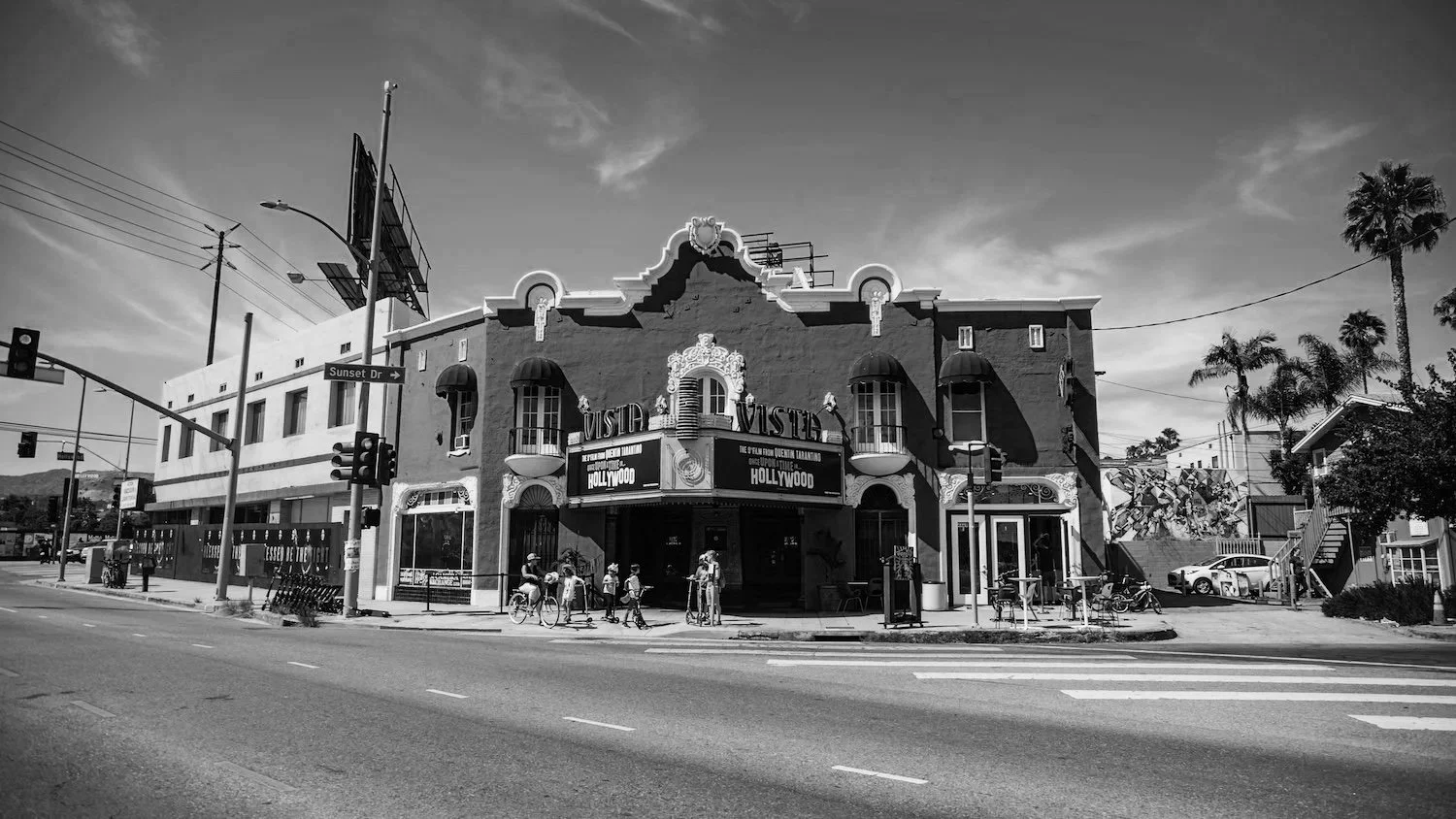
At street level, culture in Los Feliz is lived rather than performed. Skylight Books anchors the neighborhood’s literary life, hosting author talks, signings, and late evenings browsing shelves that feel woven into the community. Or head to Los Feliz Cinema and the restored Vista Theatre offer a distinctly local alternative to mainstream cinemas — places where watching a film still feels like an event, not background noise.
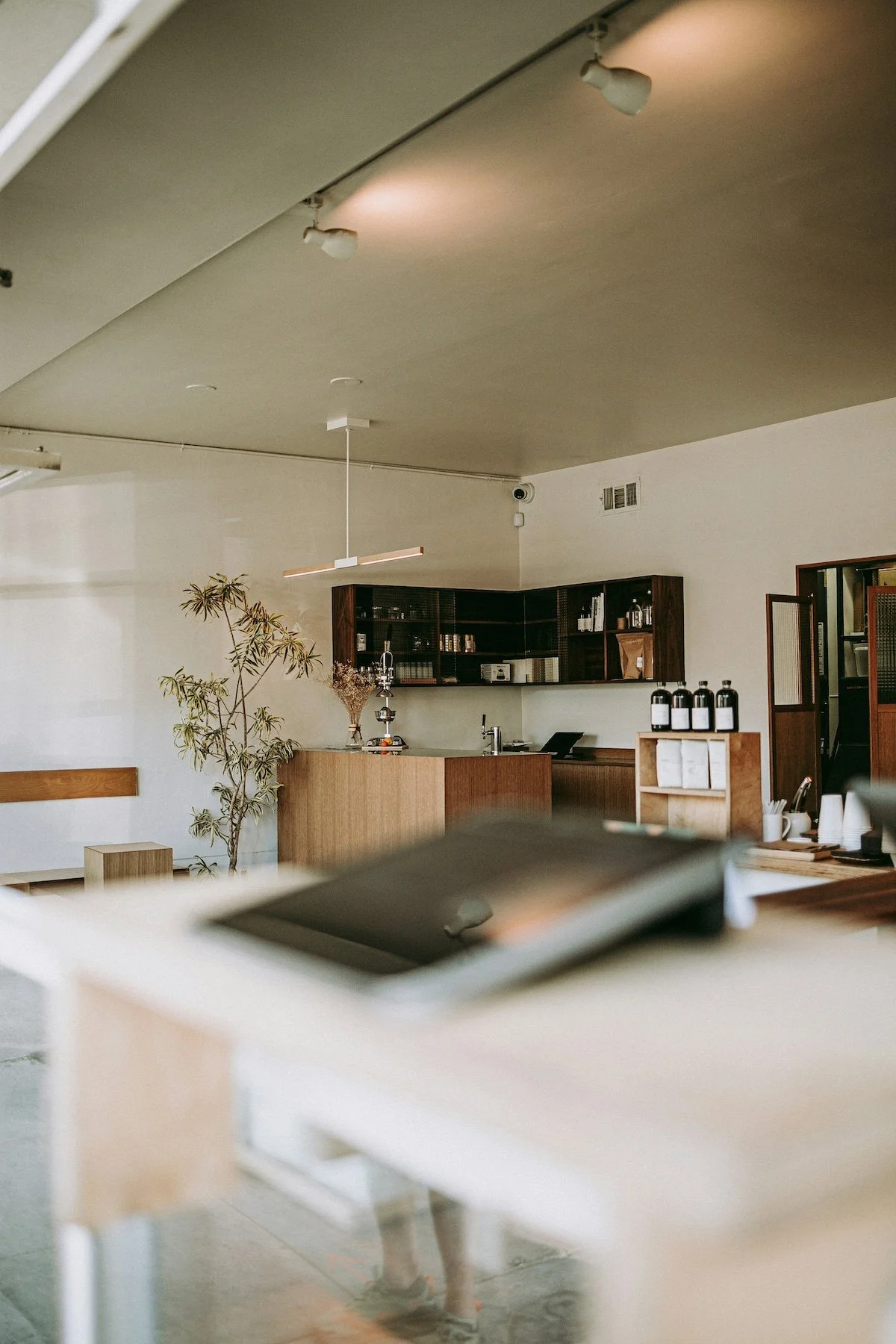
Dining and coffee culture in Los Feliz is similarly ritual-driven. Morning routines often begin at Maru Coffee, known for its minimalist space and consistent craft, or at neighborhood cafés along Hillhurst and Vermont that prioritize atmosphere as much as caffeine. Longstanding institutions like Figaro Bistrot remain social landmarks — places for unhurried meals, people-watching, and a sense of continuity that newer neighborhoods struggle to replicate.
Together, these landmarks and daily touchpoints define Los Feliz as a neighborhood shaped by permanence rather than trend cycles. Culture here isn’t centralized in a single destination — it’s distributed across bookstores, theaters, cafés, trails, and streets that residents return to again and again.