Renter Responsibilities vs. Property Management Responsibilities
A smooth rental experience depends on clear communication and shared understanding. While every lease is different, most California apartment rentals follow similar guidelines when it comes to who handles what.
This article outlines typical renter responsibilities, what property management usually takes care of, and when it’s best to submit a maintenance request. It’s meant to provide general guidance and should always be read alongside your specific lease agreement.
Why Understanding Shared Responsibilities Matters
Knowing who is responsible for different aspects of apartment care helps prevent confusion, delays, and unnecessary frustration. It also ensures that issues are addressed properly and safely — especially in older or character buildings where small problems can escalate if overlooked.
Clear expectations benefit everyone: renters know what to manage day to day, and property management can respond more efficiently when support is needed.
What Renters Are Typically Responsible For
Renters are generally responsible for routine, day-to-day care of their apartment. These are tasks that don’t involve specialized systems or structural elements.
Common renter responsibilities include:
•Keeping the apartment clean and sanitary
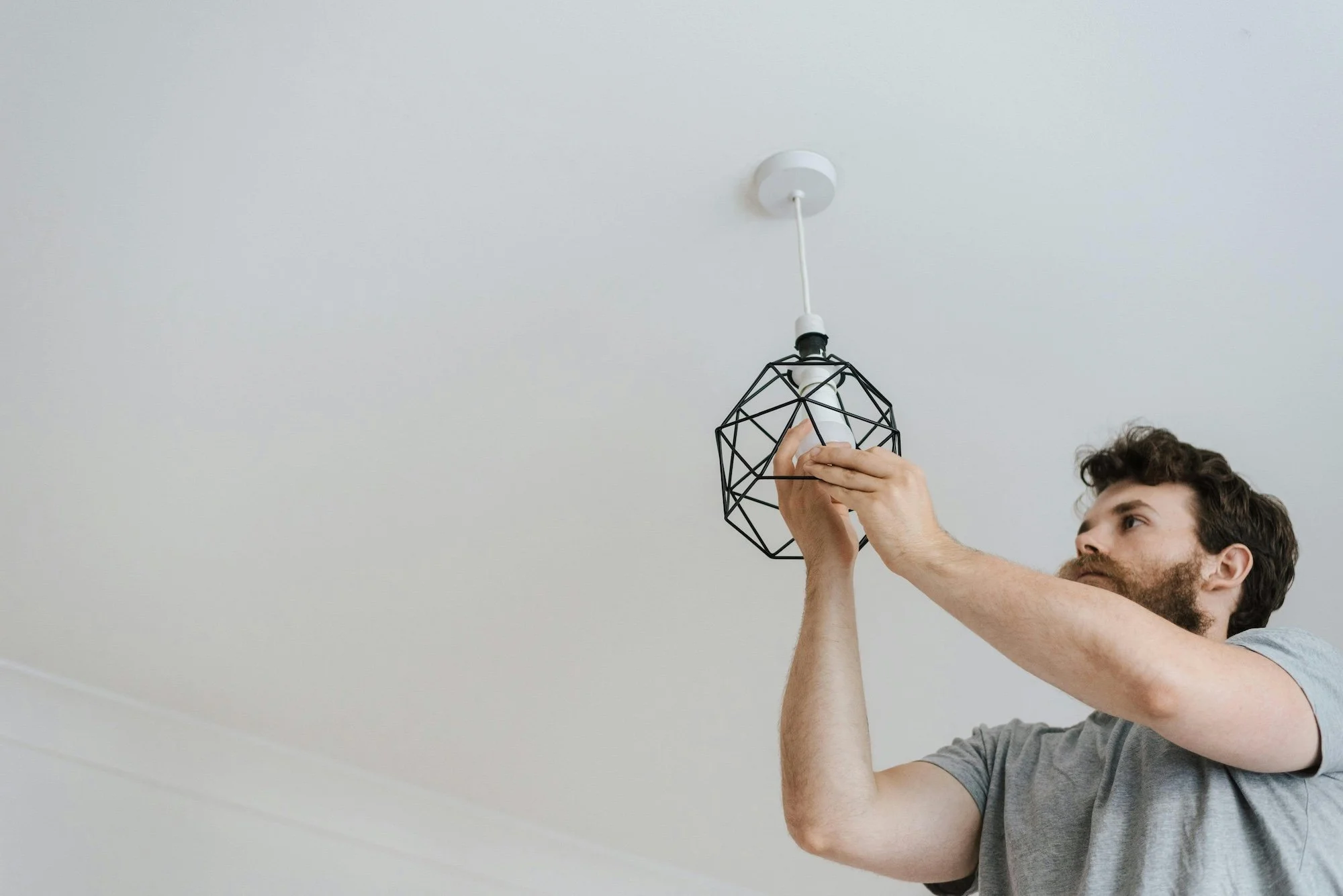
•Replacing accessible light bulbs
•Replacing air conditioner filters, if accessible and outlined in the lease
•Keeping drains clear of hair or debris
•Using appliances as intended
•Reporting issues as soon as they’re noticed
Being attentive to small changes — like unusual sounds, slow drains, or minor leaks — and reporting them early helps prevent larger issues.
What Property Management Typically Handles
Property management is generally responsible for repairs and maintenance involving building systems, safety, and structural integrity.
This usually includes:
•Plumbing and electrical issues
•Heating and cooling system repairs
•Appliance malfunctions
•Water leaks or moisture-related concerns
•Structural issues
•Repairs required for habitability or safety
These types of issues should always be reported rather than handled independently, as they may require licensed professionals or building-wide coordination.
When to Submit a Maintenance Request
If an issue affects the safety, functionality, or habitability of your apartment, it’s best to contact property management rather than attempting a fix yourself.
Submit a maintenance request when you notice:
•Leaks, dampness, or water stains
•Electrical issues or power irregularities
•Heating or cooling systems not functioning properly
•Appliance failures
•Doors or windows that no longer close or lock properly
Providing clear details — including when the issue started and any noticeable changes — helps maintenance teams respond more efficiently.
What Usually Shouldn’t Be a DIY Fix
Even well-intentioned fixes can cause unintended damage. Renters should avoid:
•Attempting electrical or plumbing repairs
•Installing unauthorized fixtures or hardware
•Using unapproved space heaters or appliances
•Making alterations without written approval
When in doubt, reaching out first is always the safest option.
Communication Makes the Difference
Most maintenance issues are easier to resolve when they’re reported early. Clear communication helps protect the apartment, maintain building systems, and ensure repairs are handled correctly.
If you’re unsure whether something falls under renter responsibility or property management, asking for clarification is encouraged.
A Final Note
Responsibilities can vary depending on the building, lease terms, and local requirements. Always refer to your lease for specific details, and don’t hesitate to contact property management with questions.
Understanding shared responsibilities helps create a more comfortable, respectful, and well-maintained living environment for everyone involved.